I’m not sure I’ve had a year when I’ve read such a diverse array of books. For me, that’s quite the statement. If this year had a theme, it would be reading a lot in many places. On any given day, you could find me deep diving into nonfiction at my desk, lying in bed with some fiction, sitting in a comfy chair with a book of poetry, or riding in the car listening to great storytelling with an audiobook. That’s not to mention all the research papers and children’s books. Although, in a nice development, my son is now old enough to read books to me instead of relying on me to read them to him.
As I do annually, I’ll use this post to share a few of my favorite books from the past year.
You can read last year’s favorite books here.
An Anthropologist on Mars
by Oliver Sacks
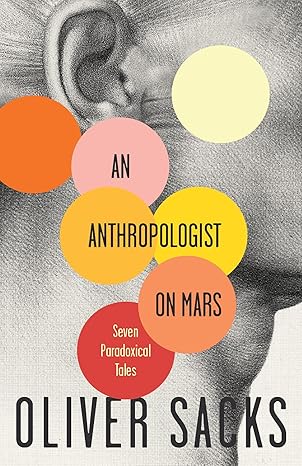
Anthropology is the most humanistic of the sciences and the most scientific of the humanities. I’ve always liked the idea of anthropology as a way of living and approaching the world; a manner of being observant and asking questions. While Oliver Sacks is a medical doctor by training, many would regard him as one of the world’s most insightful modern anthropologists. My past experience with his unique perspective drew me into An Anthropologist on Mars after I stumbled across it in a used bookstore.
Sacks presents a collection of case studies surrounding people whose brains diverge in remarkable ways — an artist who loses their color vision, a surgeon with Tourette’s syndrome, and others. He identifies the scientific nature of the divergence (using the best available science of 1995), but this book isn’t solely about those anomalies. Sacks takes an empathetic, whole-person view of the individuals. He spends time with them, learns from them, and makes the best sense he can of how the things that would seem to limit them provide a unique perspective far outside the grasp of others.
Expect the full range of emotions with this one: joy, hopefulness, dread, and sadness alike. However, if you love observation, inquiry, and the uniqueness of the individual human experience, you’ll enjoy this book.
My Year of Magical Thinking
by Joan Didion
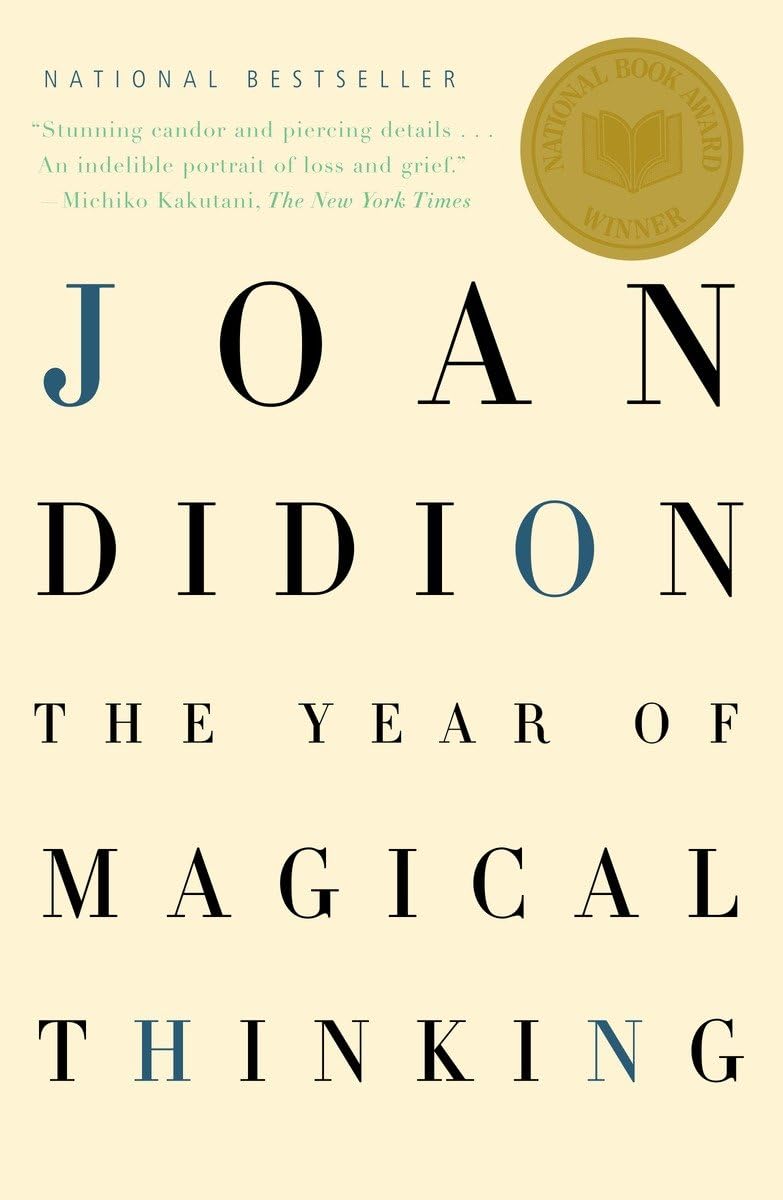
How very stereotypical of me to read the quintessential memoir about life after losing your spouse… just a couple of years after losing my spouse. Admittedly, amongst many options, The Year of Magical Thinking is the first book by Joan Didion I’ve read. While I don’t know that her writing is for me in a broader sense, this one found the right reader at the right time.
Magical Thinking is about how death and trauma rearrange our cognition as we vacillate between functioning and falling apart. As we seek to put time between us and our memories, we create realities that don’t exist and we believe in things that cannot be real. These surreal patterns open rifts that disrupt our relationships with ourselves, others, and the perception of time.
I can’t expect most others will connect to this book in the ways I did, but we’ve all experienced loss. I suspect there’s something for you here. While Joan Didion’s everyday life looks very dissimilar to mine, I saw echoes of my experiences reflected in hers, transcending the things that differentiate us.
Nexus
by Yuval Noah Harari
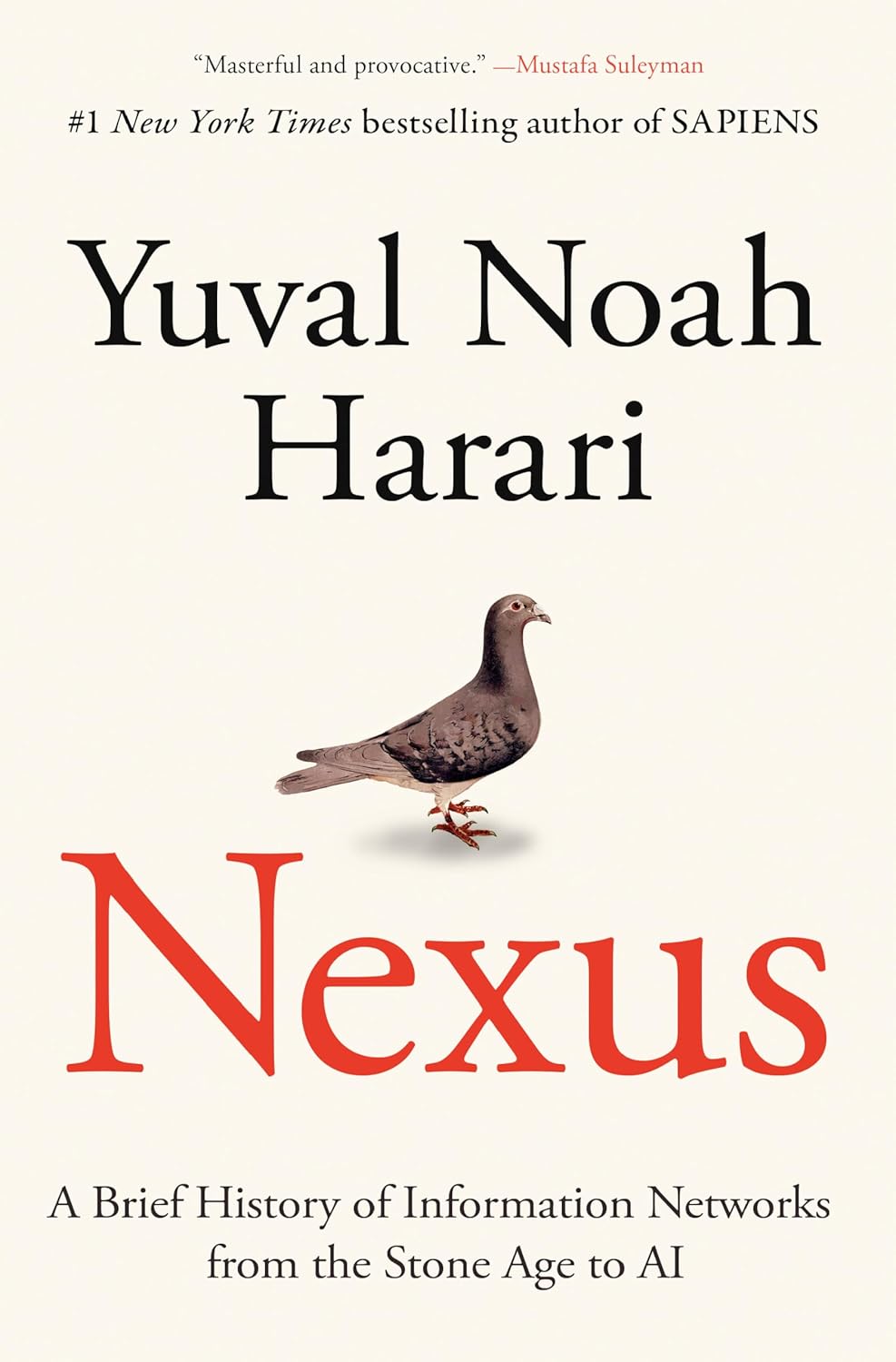
If you’ve followed this series of my favorite reads through the years, you may recognize Harari’s name from my glowing review of his Sapiens, which was a paradigm-shifting book for how I viewed the broader strokes of human history. I was eager to see how Nexus, which examines that same history through a different lens, delivered.
I spend much of my day teaching others how to perform investigations. In any investigation, we focus on uncovering relationships… how things connect, interact, and change each other. Nexus takes a similar approach to his anthropological research on human intelligence, examining how we connect. These connections meet at our shared stories, institutions, belief systems, technologies, and more.
Harari is less interested in gadget-level futurism than in epistemology: who decides what is true, how authority migrates from human judgment to systems, and what happens when speed and scale outpace wisdom. Like Sapiens before, Nexus provides a unique lens in which to view humanity: a perspective on the past, insight for the present, and both opportunities and warnings for the future. If there is one book on this list that I would choose for everyone to truly read and grasp, it’s this one.
East of Eden
by John Steinbeck
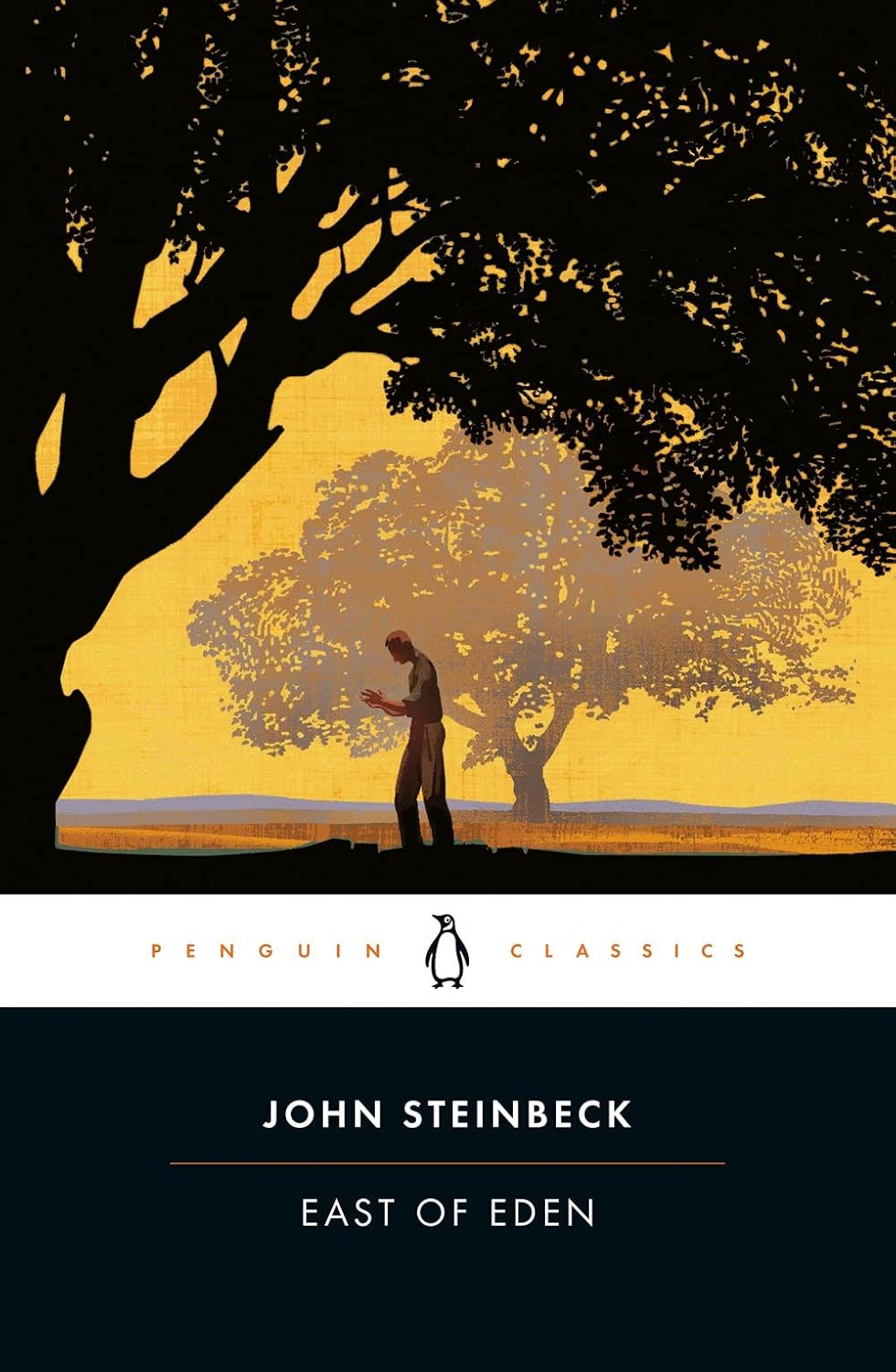
I’ve had East of Eden on my shelf for a long time, waiting to be read. After countless recommendations from people who told me I’d enjoy it, I dove in earlier this year. While I’ve never felt a powerful connection with Steinbeck’s other works, this one struck a chord that The Grapes of Wrath couldn’t quite manage for me.
East of Eden tells the multigeneration story of two families in California’s Salinas Valley. Set against the biblical motif of Cain and Abel, the characters wrestle with inherited burdens and the desire to break free of them. As these families try to better themselves from the circumstances handed to them, Steinbeck touches on facets of morality that left me pondering. I rarely have to put down a work of fiction just to think, but when I do, it’s usually a sign I’ve found something worth reading. I left this one as I suspect many do, considering the idea of timshel —”thou mayest” —that we are capable of choosing our own moral path.
Because this book spans a few generations, you may find yourself more drawn to some stories within it than others. Accessibly written, I suspect most will find at least a couple of characters and interactions that engage their brain.
How to Know a Person
by David Brooks
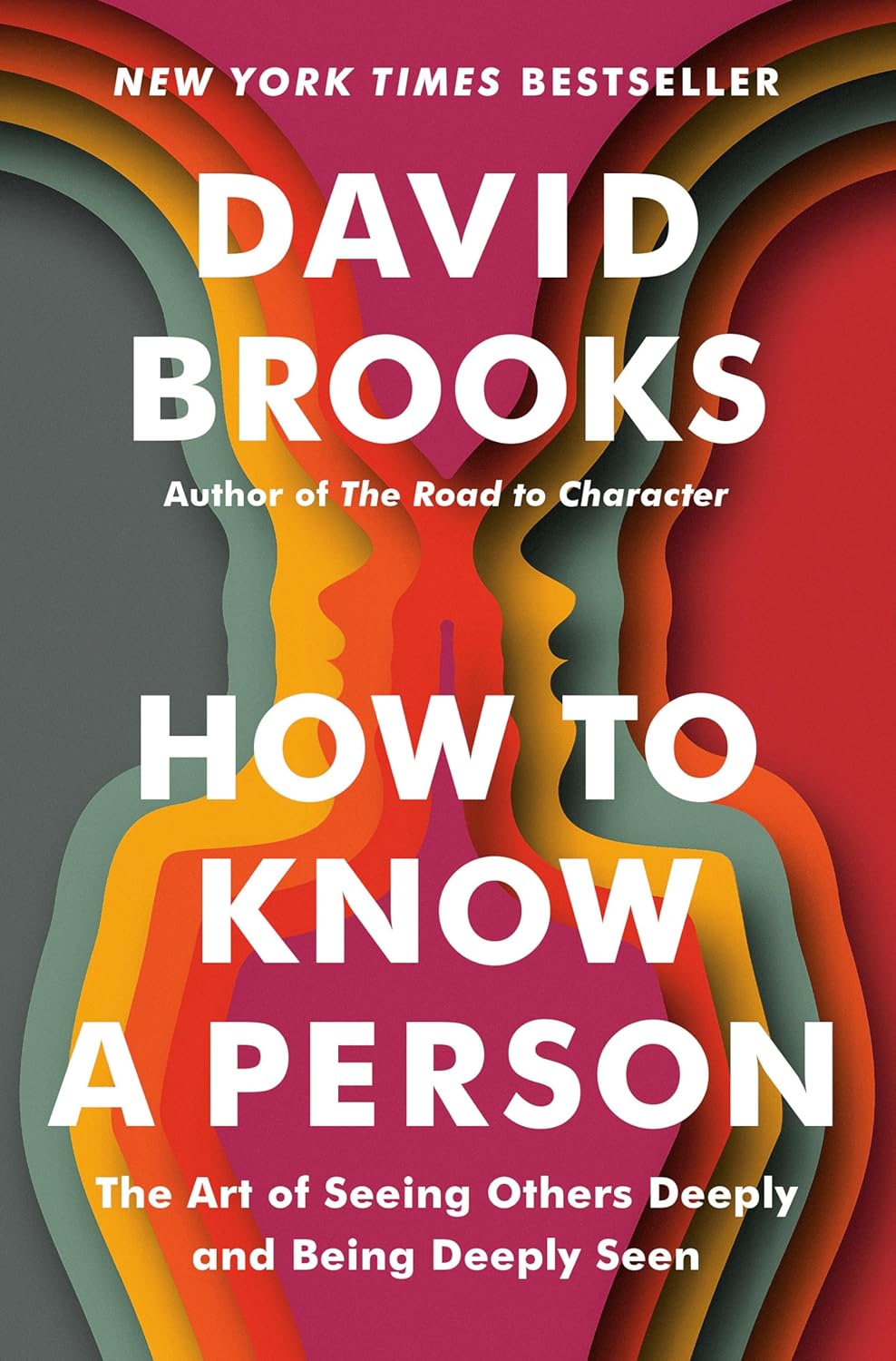
I’m often in my own head, and that has my inner voice constantly assessing my relationships with people and how to understand and deepen them. When How to Know a Person came across my inbox as a recommendation from The Behavioral Scientist, I was dubious. I didn’t love the author’s prior work, and this topic can quickly devolve into the realm of overly generic self-help. I’m glad I gave this one a chance, because it exceeded expectations.
In How to Know a Person, David Brooks draws from psychology, philosophy, and everyday encounters to distinguish “illuminators,” who make others feel seen, from “diminishers,” who flatten people into categories and assumptions. If I’m honest, I sometimes worry that life experience and the state of the broader world push me more towards being a diminisher at times, and that I must actively work to be an illuminator where I can. Fortunately, Brooks outlines skills that foster genuine connection, like attention, humility, and narrative-listening. While he provides some actionable steps you can take to enhance these skills, I felt like my cognitive science background gave me the tools I needed to bring in outside research to unlock some more tangible techniques
Not only did I devour How to Know a Person in a matter of a week, but it also found a place on the bookshelf next to my desk. I’ve revisited sections within it multiple times throughout the year and suspect I’ll continue to do so. If you’d like a framework for better understanding people and strengthening your relationships, this might be a good place to start.
A Responsibility to Awe
by Rebecca Elson
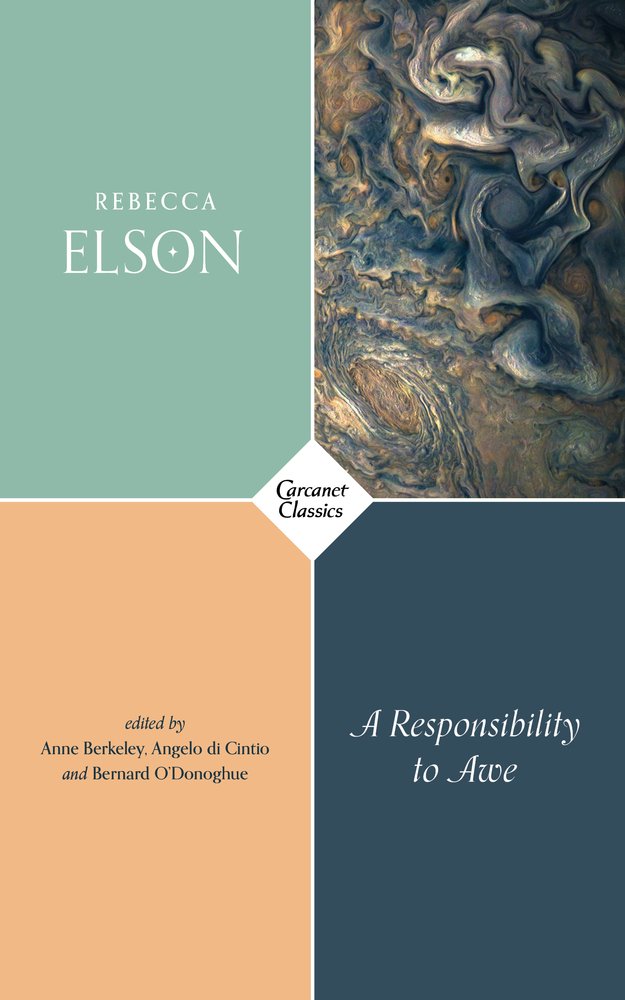
It’s entirely possible that I’ve consumed more poetry in 2025 than in the rest of my prior life combined. Among an array of individual poems, I’ve encountered a few volumes and authors whom I’ve read and reread. Rebecca Elson’s A Responsibility to Awe is one such book.
Rebecca Elson’s posthumously published collection of reflections and poetry blends scientific imagination with a deeply human sense of wonder. Written in the shadow of her diagnosis with lymphoma, the work carries an urgency that, remarkably, never succumbs to despair. She uses her experience as an astronomer to move between the cosmic and the intimate, treating scientific understanding not as a way to shrink mystery but as a way to participate in it. She touches on mortality, curiosity, and the astonishing privilege of looking up at the universe and trying to make sense of it.
A Responsibility to Awe sits on my living room coffee table, where it’s often only a reach away. I pick it up when I need a dose of whimsy or to better place myself amongst a broader universe. It’s also become an occasional staple of my son’s and my pre-school routine, which usually involves my reading a few poems together.
Shroud
by Adrian Tchaikovsky
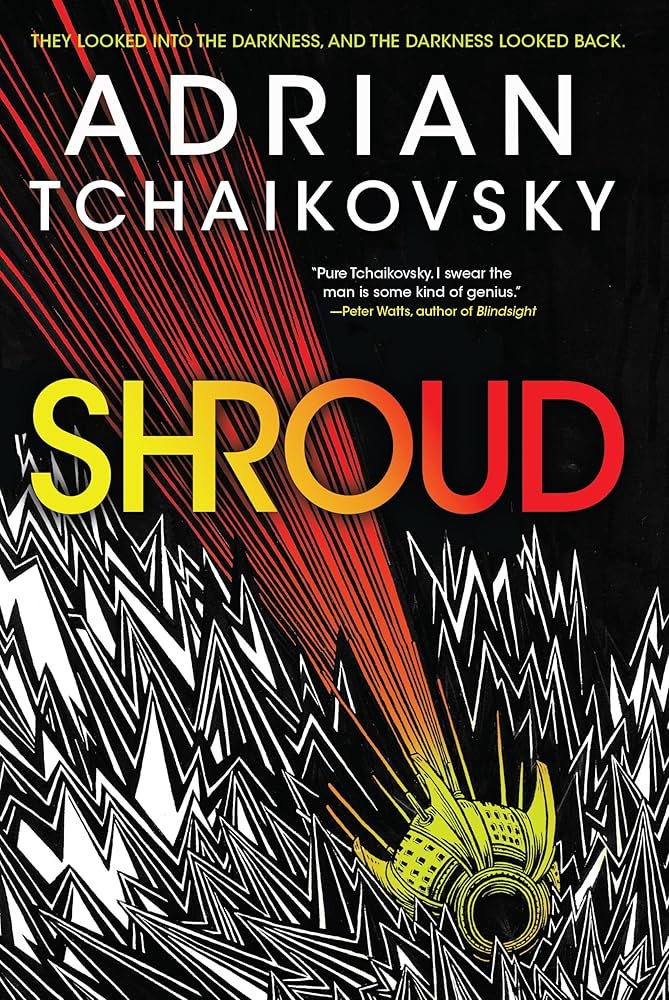
I read three Adrian Tchaikovsky novels this year, and I could have chosen any of them for this list. However, it was Shroud that gave me the raw emotional reaction that earned it a spot here.
This book is a first-contact thriller set on a lightless, high-gravity moon that’s alive in ways humans don’t initially understand. After a disaster strands two scientists on the surface, the story becomes a tense trek through an environment that is hostile not just physically but conceptually, because the local life operates on rules (and signals) that don’t map neatly onto human senses or assumptions. The story and its looming, planetary-scale characters reveal themselves slowly throughout the book. Tchaikovsky took this one to places that were genuinely unexpected and frightened me.
Shroud is my kind of sci-fi. It pokes at the boundary between what’s real and what we can make ourselves believe. It isn’t aliens just as a function of cool creature design, but a sustained experiment in how perception, meaning, and identity get built. I suspect those of you who enjoyed Project Hail Mary will enjoy Shroud as well, even if it’s a bit darker.
Eli the Good
by Silas House
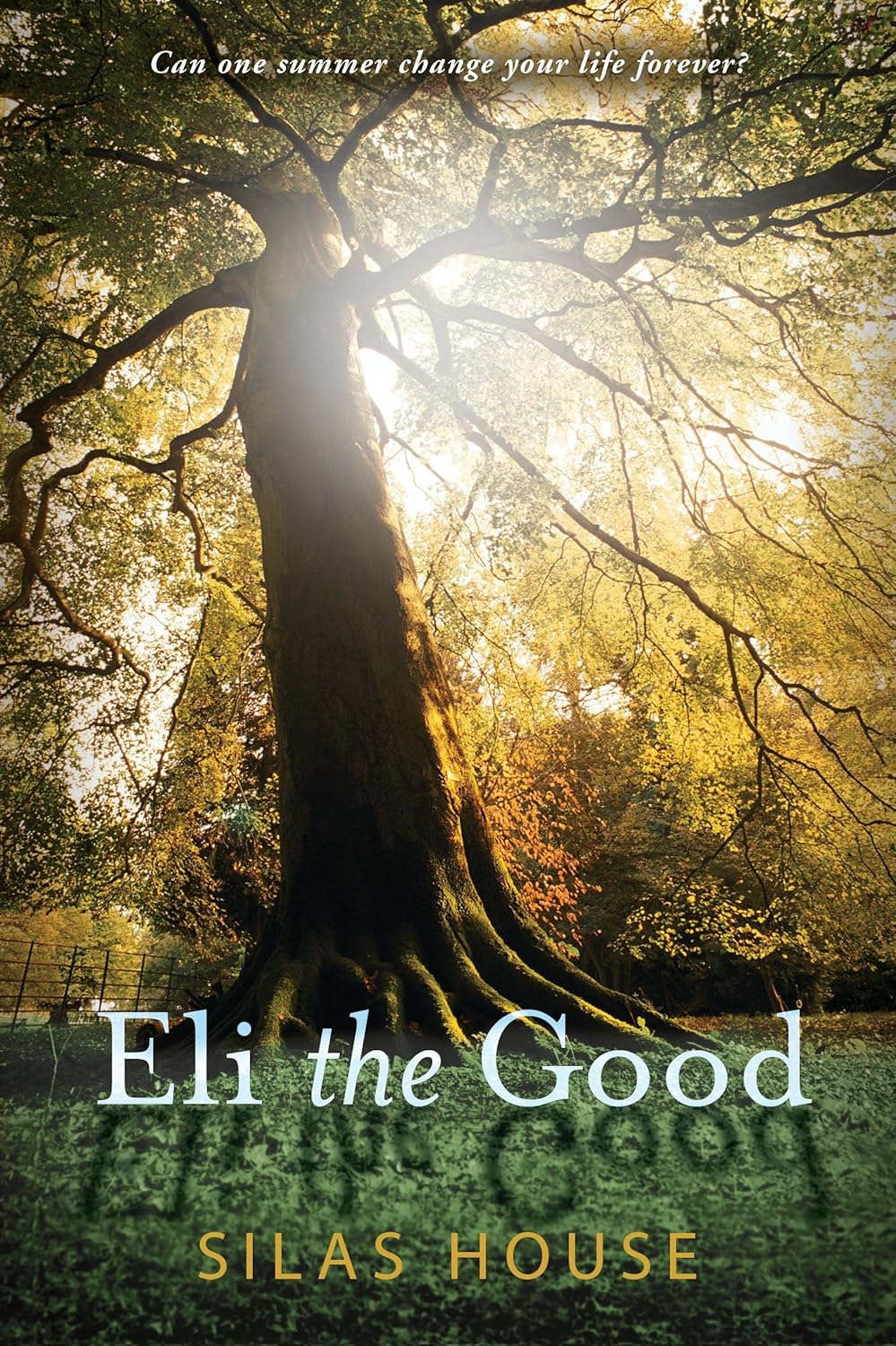
Y’all know that I appreciate a fellow Kentucky author, and Silas House holds a place of distinction on that list. This year, I may have discovered one of my favorite works of his.
Set during the summer of 1976, the novel follows ten-year-old Eli Book and his family as they navigate the aftershocks of the Vietnam War. Through Eli’s eyes, readers see his father’s PTSD, his mother’s quiet resilience, and the tensions that ripple through their small Kentucky town. House writes with warmth and attentiveness, keeping the focus on how a child interprets adult pain he can sense but not fully decode.
I feel like I read each line of this book twice. Once through the lens of my own childhood. But also, through my son’s eyes as he navigates a world without his mom, and how the adults around him react to it. Of course, it’s not lost on me that he and the title character share a name.
Despite these deep, emotional themes, Eli the Good is approachable. It’s where I’ll recommend most start with Silas House, particularly those among you who seek the emotional truth that House always delivers.
Revival
by Stephen King
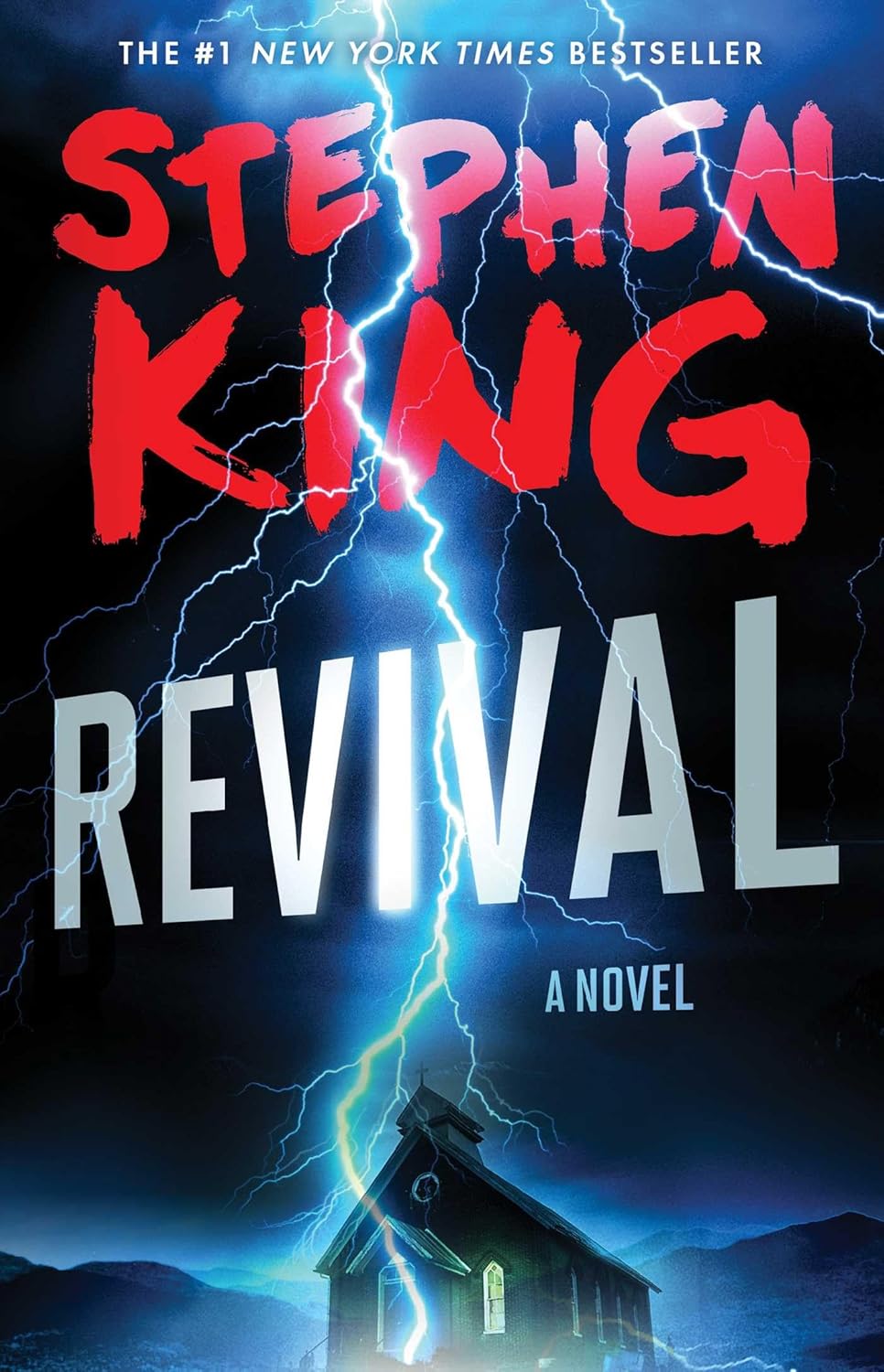
I’ve read 20+ Stephen King books in my lifetime, and while Revival doesn’t crack the top three (a tall order), it’s still one of the best books I’ve read this year.
King’s novel centers on the lifelong entanglement between a boy and a charismatic minister whose fascination with electricity veers into the metaphysical and eventually the terrifying. Avoiding spoilers, this novel draws on the classic horror traditions of spiritual unease and Frankensteinian ambition. It asks unsettling questions about what lies behind the veil of death and what it means for someone to be willing to tear that veil open.
While those who praise King’s storytelling are often critical of his endings, I thought this one wrapped up pretty well. It’s not a deep-thinking, cerebral book like some of the others on this list, but the story was compelling and entertaining.
Next Year
One of the benefits of primarily reading physical books is that the “to be read” list manifests physically. Mine sits towering next to my bed, and when the stack gets taller than my nightstand, I know it’s time to prioritize reading or make some hard decisions about what I’m *actually* going to read in the near future. Still, I get excited when I look at that stack — an inviting totem in tribute to curiosity waiting to feed.
Did you have a favorite book you read this year or a recommendation you think I’d like? If so, I’d love to hear about it in the comments or on social media.